
Brazil–EU Trade: Poultry and Honey Exports Could Reopen — What Businesses Should Watch
The European Commission plans to propose re-listing Brazil for EU poultry and honey imports, pending a member-state vote. What exporters and buyers should watch.

A door that may be opening again
For Brazilian exporters of chicken and honey, and for the European businesses that buy from them, October brought a cautiously positive signal. According to a Reuters report published on 21 October 2026, the European Commission said in a statement that it intends to propose re-listing Brazil for imports of poultry meat and honey, with EU member states expected to vote on the measure at the relevant committee’s next meeting.
We could not find the Commission’s statement published on its own websites, so this article relies on Reuters’ account of it. The key point for businesses is simple: this is a proposal that still needs a member-state vote. It is not yet an approved reopening, and no date for resumed trade has been confirmed.
How we got here
An EU restriction on certain animal products from Brazil took effect in September 2026. Reuters reports that it mainly affected beef and poultry, as the EU sought guarantees that prohibited antimicrobial substances were not used in production. Exame reports that the suspension, effective from 3 September 2026, also covered honey, fish, eggs and casings.
Between 24 August and 4 September 2026, auditors from the Commission’s Directorate-General for Health and Food Safety examined Brazil’s official controls for broiler poultry meat and for honey and other bee products. Their final report, dated 28 September 2026, found that Brazil’s legal framework, procedures, inspector training and official controls are capable of delivering the guarantees EU law requires. Brazil’s Ministry of Agriculture welcomed the report the same day and asked for it to be discussed at the EU’s Standing Committee meeting on 20–21 October.
Sources: European Commission, DG SANTE, 28 September 2026 · Brazil Ministry of Agriculture and Livestock, 28 September 2026 · Exame, 21 October 2026
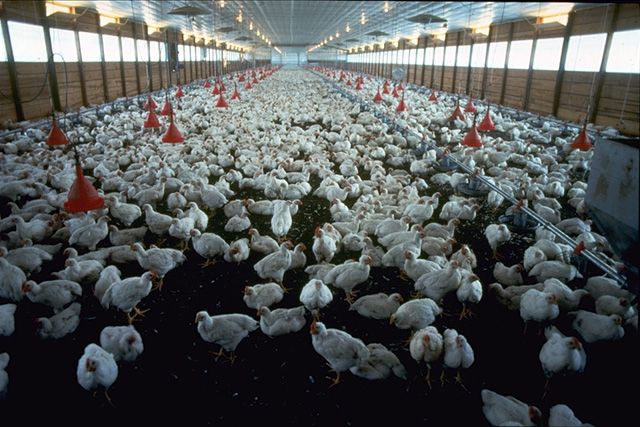
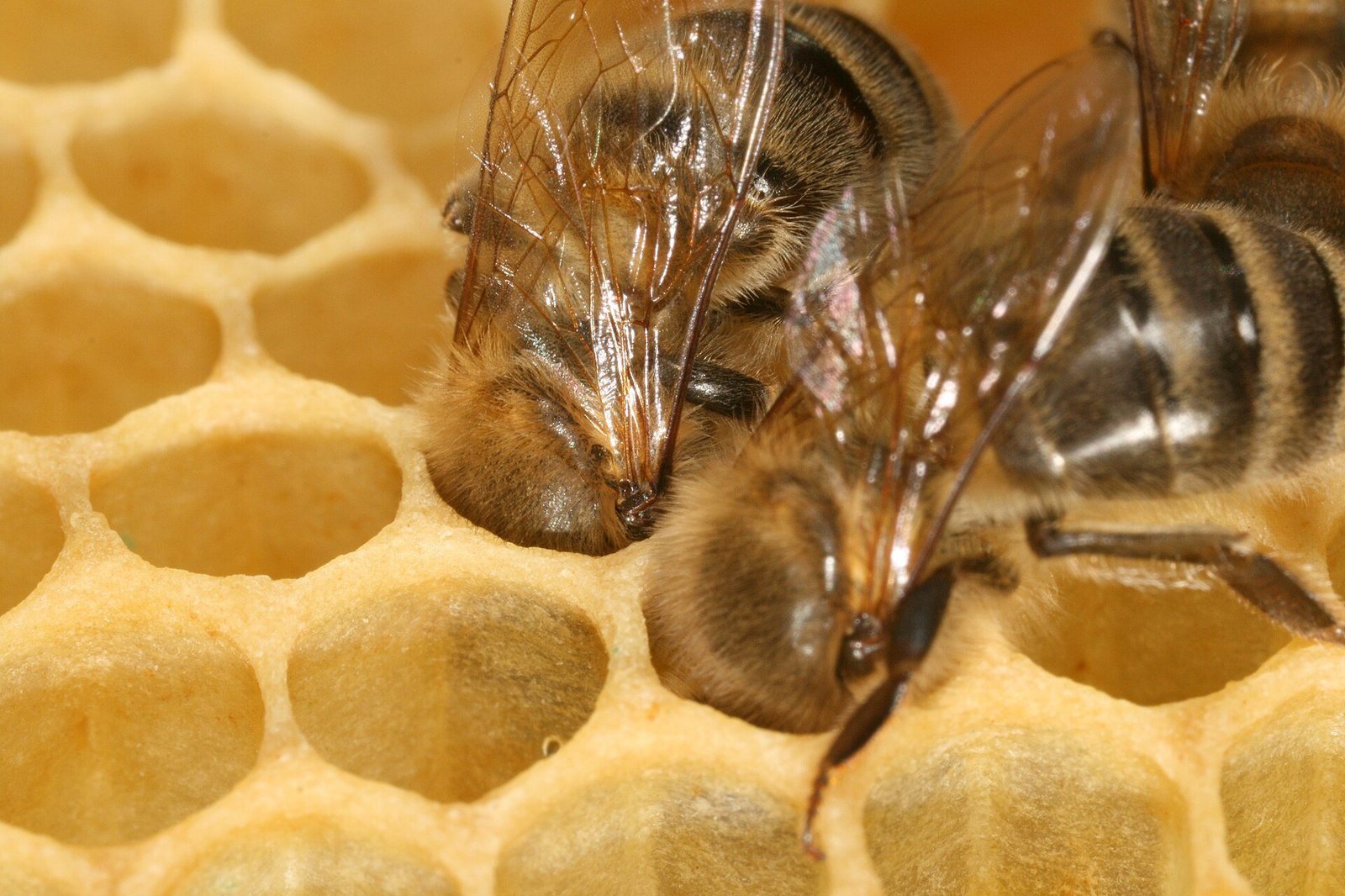
Poultry and honey — but not beef
The proposal is narrow. Reuters quotes the Commission as saying that, for bovine products, Brazil is not yet able to reliably certify compliance with the lifetime requirements, and that it does not currently intend to propose re-listing beef. Exame reported the same distinction.
That matters for anyone planning around the news. A business that trades several Brazilian animal products should not assume they will move together. Each category follows its own process, and the outlook for one does not predict the others.
Sources: Reuters (via Yahoo Finance), 21 October 2026 · Exame, 21 October 2026
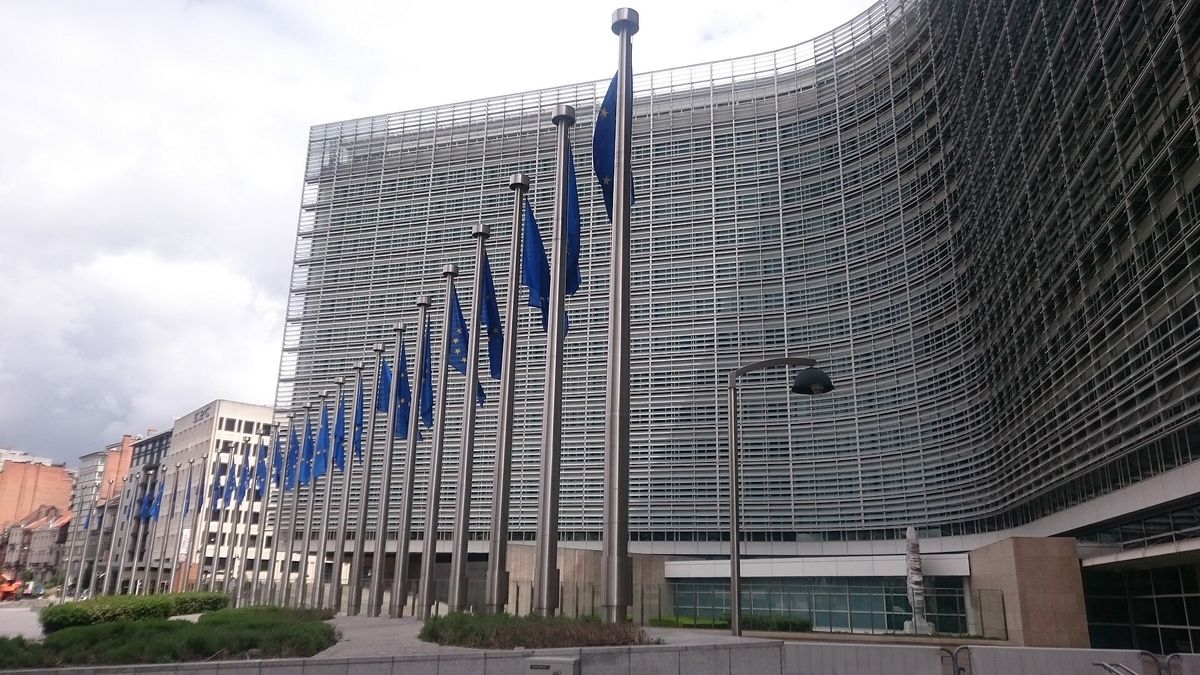
What happens next in Brussels
Before 21 October, Valor International reported that the Brazilian government expected an EU decision by November, with approval depending on the Standing Committee on Plants, Animals, Food and Feed. According to Reuters, member states raised questions at the committee about the scope of the proposal, the segregation system in place and controls on veterinary prescriptions, and the Commission said these were addressed.
A vote could still be delayed, and the final measure could differ from what has been reported. Until a decision is formally adopted and published, the earlier position stands.
Sources: Valor International, 19 October 2026 · Reuters (via Yahoo Finance), 21 October 2026 · European Commission, Meetings 2026
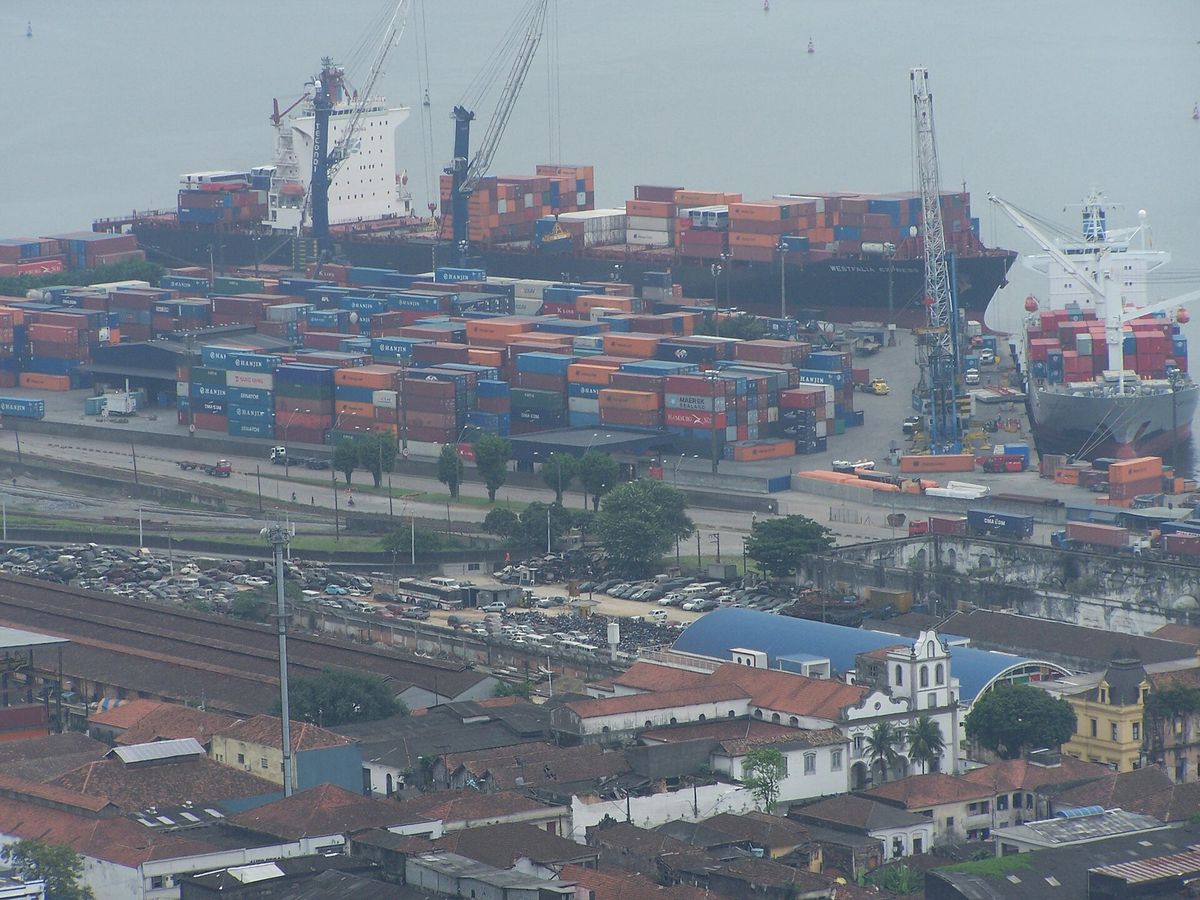
What businesses should watch
For Brazilian exporters, it may be worth preparing rather than waiting: reviewing how your controls and documentation show compliance, and keeping EU buyers informed. For EU importers and distributors, it could be a moment to look again at supplier diversification, contracts and the timing of any resumed shipments. International entrepreneurs working between Latin America and Europe may want to consider how their companies, contracts and finance are set up to respond to sudden changes in market access.
The UK has its own import rules, separate from the EU’s, so businesses trading into Britain should check the UK position on its own terms.
Measured optimism
The direction looks encouraging for poultry and honey, but the outcome is not settled. Businesses that follow the official process, separate reports from adopted decisions, and get their structures ready are likely to be better placed for whatever is decided.
Sources & reading
- EU Commission to propose restoring Brazil poultry, honey import access
Reuters (via Yahoo Finance) · 21 October 2026
- Final report of an audit of Brazil (24 August – 4 September 2026) on antimicrobials in animals and animal products for export to the EU
European Commission, DG SANTE · 28 September 2026
- União Europeia publica relatório final de auditoria no Brasil que avaliou a produção de carne de aves e de mel
Brazil Ministry of Agriculture and Livestock · 28 September 2026
- UE sinaliza volta de frango e mel do Brasil, mas deixa carne bovina de fora
Exame · 21 October 2026
- EU expected to decide by November on Brazilian poultry, honey
Valor International · 19 October 2026
- PAFF Committee — Controls and Import Conditions
European Commission · Meetings 2026
This article is general information only. It is not tax, legal or financial advice, and no outcome is guaranteed.