
Draft · editorial review
Barcelona Brings Europe and Latin America Together: What International Businesses Should Watch
Barcelona’s World in Progress programme connects Europe and Latin America on economic, technology and energy questions. What businesses in Spain, Latin America and the UK should watch.
Editorial check pending: the exact 2 November economy-panel lineup and live remarks could not be independently confirmed. Programme entries below are identified as scheduled, not proof of attendance or outcomes.

Barcelona puts the international conversation in focus
Barcelona is the setting for a timely conversation about how Europe and Latin America respond to a changing world. World in Progress’s official programme places its 2026 forum on 2–3 November at the Palau de Congressos de Catalunya. For international businesses, today’s second-day agenda offers a useful lens on the forces shaping expansion: political uncertainty, technology, energy and cooperation across borders.
This is a forum for discussion, not an announcement of new commercial agreements. Its relevance lies in the questions being brought together. Entrepreneurs working between Spain, Latin America and the UK can use those questions to examine their own plans, without treating a prominent speaker or a conference headline as proof that an opportunity is ready to pursue.
Sources: World in Progress, Programme for 2–3 November 2026; checked 3 November · PRISA, 22 October 2026
The economic connection: what is confirmed
PRISA’s 22 October announcement describes the first day as focused on the international order, security and economic challenges. It lists Josep Borrell, the former EU foreign-policy chief, and José Manuel Salazar-Xirinachs, executive secretary of the Economic Commission for Latin America and the Caribbean, among the participants announced for those discussions.
The precise 2 November Europe–Latin America economy panel, including CEAPI president Núria Vilanova alongside Borrell and Salazar-Xirinachs, remains a verification point for this draft. The accessible source material does not establish that exact lineup or what each speaker said. We therefore do not attribute conclusions or quotations to that panel. The broader economic theme is confirmed; a detailed account of the session still needs a check against accessible reporting or the organiser’s record.
Sources: PRISA, 22 October 2026 · World in Progress, Programme for 2–3 November 2026; checked 3 November

Today’s agenda separates technology, energy and peace
The official 3 November agenda lists European Investment Bank president Nadia Calviño for “Europe in the World”. It separately lists “The Challenges of Technology” and an energy-transition discussion framed around security, affordability and reducing emissions in a fragmented international environment. These are programme entries, not evidence of a new funding offer or agreed investment package.
Former Colombian president and Nobel Peace Prize laureate Juan Manuel Santos is listed for “Peace in a World of Conflicts”, with a separate invitation-only discussion concerning peace in Colombia. His programme appearance should not be presented as participation in the technology or energy panel. As this draft is prepared, the published agenda confirms the planned topics; attendance, remarks and any subsequent developments require reporting beyond the schedule.
Sources: World in Progress, Programme for 2–3 November 2026; checked 3 November
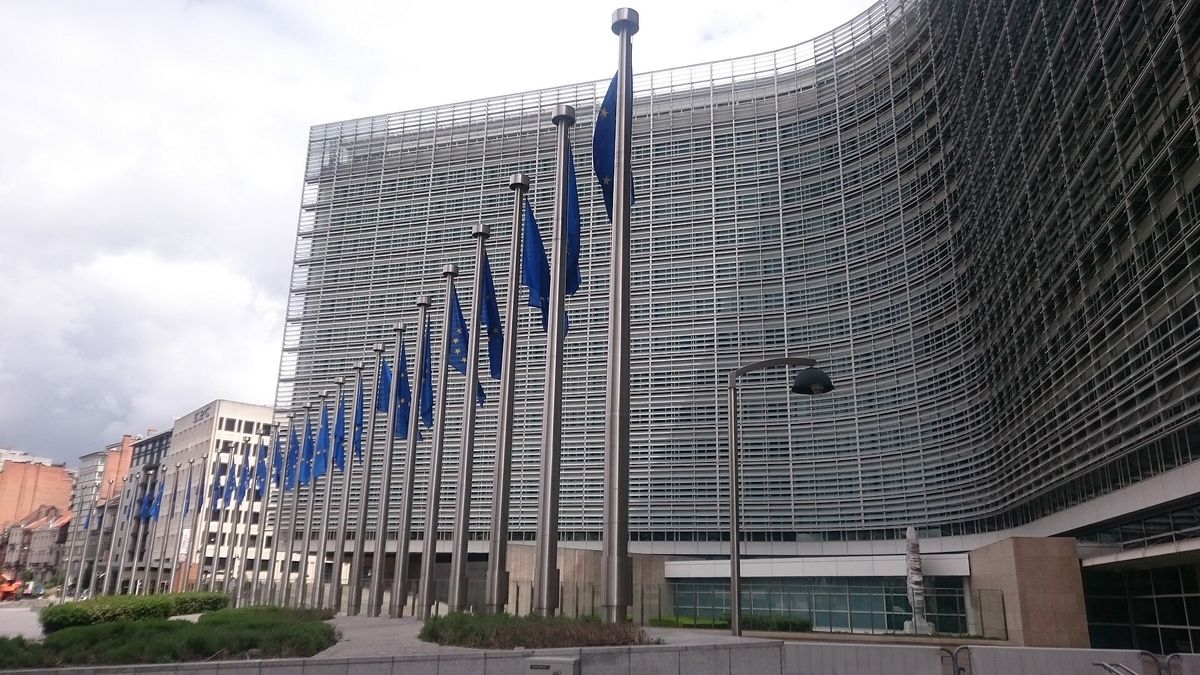
What entrepreneurs can take from the discussion
For a Spanish business considering Latin America, the useful starting point is commercial: which market has a real need for your product, and who could help you understand it? Shared language may make a first conversation easier, but it does not remove differences in customer expectations, purchasing decisions or operating conditions. A regional outlook should lead to country-specific research, not a single assumption about an entire continent.
Latin American entrepreneurs exploring Europe can ask the same questions in reverse. Could Spain support customer relationships or a management team? Would a UK presence serve a distinct commercial purpose? Those are options to assess, not benefits supplied by the forum. A company should be able to explain what each location contributes before investing in another entity, office or partnership.
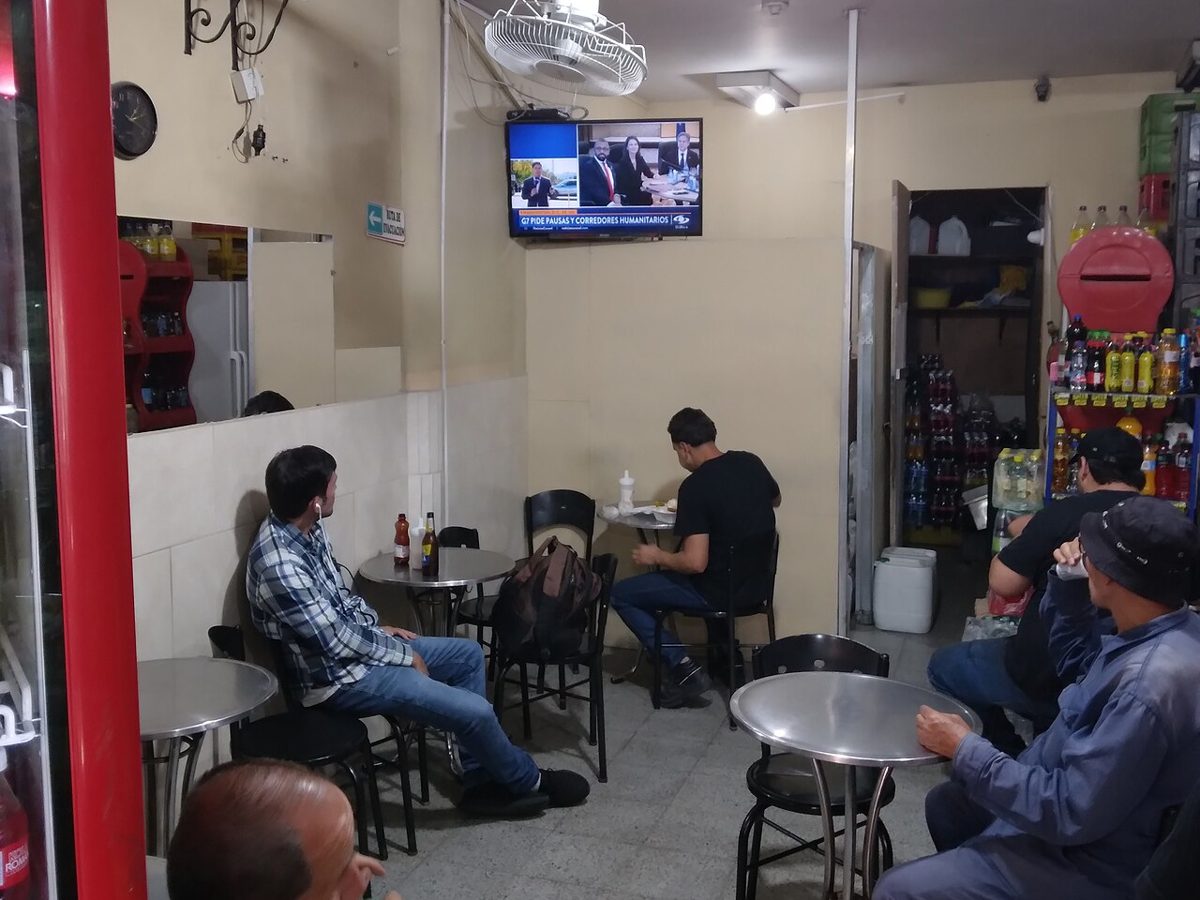
Technology and energy belong in the business plan
Our editorial reading is that technology and energy should be considered together with expansion, rather than left as separate background issues. A business relying on digital systems needs to understand its suppliers, skills and delivery capacity. An energy-intensive operation needs to test costs and reliability. Neither a conference discussion nor a policy ambition guarantees that the practical conditions will suit a particular business.
For smaller firms, the next step might be modest: speak with potential customers, compare partners and identify the assumptions that need testing. International growth becomes more manageable when ownership, contracts, funding and day-to-day responsibilities follow a clear commercial purpose. Any jurisdiction-specific questions need appropriate professional input; this article does not offer personalised tax, legal or financing advice.

A conversation to follow, not a deal to assume
World in Progress brings relevant international perspectives into one programme. The business value is in following how those ideas develop, checking reported outcomes against original sources and deciding which questions matter to your company. Barcelona may help frame the conversation. Your own evidence, partners and resources must determine the next move.
Sources: World in Progress, Programme for 2–3 November 2026; checked 3 November
Sources & reading
- Barcelona 2026 — official programme (subject to change)
World in Progress · Programme for 2–3 November 2026; checked 3 November
- World in Progress 2026 — organiser’s participant and programme announcement
PRISA · 22 October 2026
- World in Progress Barcelona — live coverage (not used to substantiate claims in this draft)
EL PAÍS · 3 November 2026 URL supplied for review; access blocked during checking
This article is general information only. It is not tax, legal or financial advice, and no outcome is guaranteed.